
Experience Total Relaxation with Reiki Therapy
In a world filled with constant stress and overwhelming responsibilities, finding a way to unwind and rejuvenate is essential. One increasingly popular method for achieving deep relaxation is Reiki therapy. This ancient Japanese healing technique promotes relaxation, reduces stress, and fosters emotional healing. In this blog post, we will explore the principles of Reiki, its benefits, and how you can incorporate it into your wellness routine.
What is Reiki Therapy?
Reiki is a form of energy healing that originated in Japan in the early 20th century. The term "Reiki" translates to "universal life energy," which reflects the belief that this energy flows through all living things. Practitioners of Reiki use their hands to channel this energy, promoting healing and relaxation in the recipient.
The Principles of Reiki
Reiki is based on several key principles:
Universal Life Energy: Reiki practitioners believe that everyone has access to this energy, which can be harnessed for healing.
Holistic Approach: Reiki addresses the mind, body, and spirit, promoting overall well-being rather than just treating specific symptoms.
Non-Invasive: Reiki is a gentle, non-invasive therapy that can be performed with the recipient fully clothed.
Intention: The practitioner's intention plays a crucial role in the effectiveness of the treatment. A focused and positive mindset enhances the healing process.
The Benefits of Reiki Therapy
Reiki therapy offers a wide range of benefits, making it an appealing option for those seeking relaxation and healing. Here are some of the most notable advantages:
Stress Reduction
One of the primary benefits of Reiki is its ability to reduce stress. During a session, clients often experience a profound sense of calm and relaxation. This can lead to lower cortisol levels, improved mood, and a greater sense of well-being.
Emotional Healing
Reiki can help individuals process and release emotional blockages. Many clients report feeling lighter and more at peace after a session, as Reiki promotes emotional balance and healing.
Pain Relief
Research has shown that Reiki can be effective in alleviating pain. Whether it's chronic pain, headaches, or discomfort from injuries, many individuals find relief through Reiki sessions.
Improved Sleep
For those struggling with insomnia or restless nights, Reiki can promote deeper, more restful sleep. The relaxation induced during a session can help calm the mind and prepare the body for sleep.
Enhanced Clarity and Focus
Reiki can also improve mental clarity and focus. By reducing stress and promoting relaxation, individuals often find it easier to concentrate and make decisions.
How to Experience Reiki Therapy
If you're interested in trying Reiki therapy, here are some steps to help you get started:
Find a Qualified Practitioner
Look for a certified Reiki practitioner in your area. You can search online or ask for recommendations from friends or wellness centers. Ensure that the practitioner has undergone proper training and has a good reputation.
Prepare for Your Session
Before your session, take some time to relax and clear your mind. Arrive at the appointment with an open heart and a willingness to receive the healing energy.
What to Expect During a Session
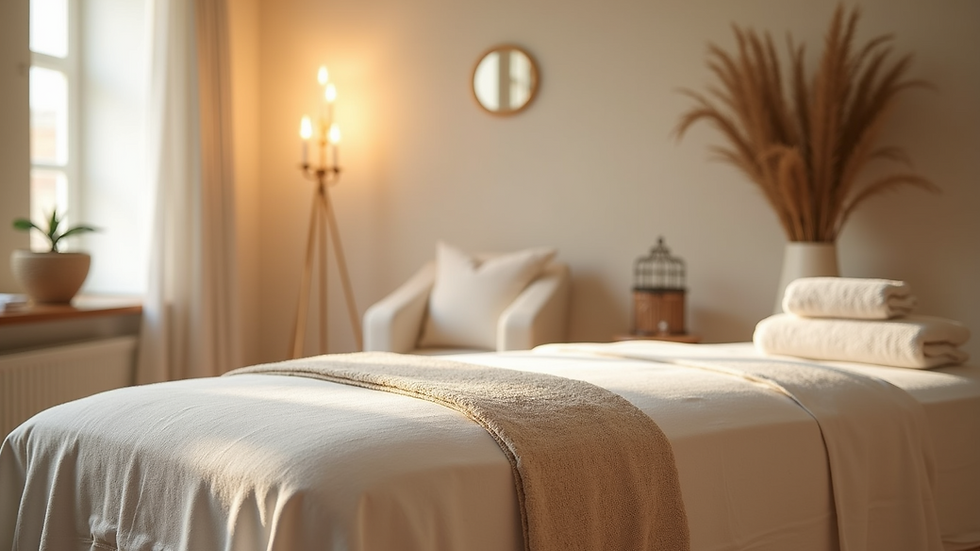
During a typical Reiki session, you will lie down fully clothed while the practitioner lightly places their hands on or near your body. You may feel warmth, tingling, or a sense of deep relaxation. Each session typically lasts between 60 to 90 minutes.
Aftercare
After your session, take a moment to reflect on your experience. Drink plenty of water to help flush out any toxins released during the treatment. Some individuals may feel a sense of emotional release, while others may simply feel relaxed and rejuvenated.
Incorporating Reiki into Your Wellness Routine
Reiki therapy can be a valuable addition to your overall wellness routine. Here are some ways to incorporate it into your life:
Regular Sessions
Consider scheduling regular Reiki sessions to maintain your well-being. Many practitioners recommend monthly or bi-weekly sessions for optimal results.
Self-Reiki Techniques
You can also learn basic Reiki techniques to practice self-healing at home. Many practitioners offer workshops or courses to teach you how to channel energy for personal use.
Combine with Other Therapies
Reiki can complement other wellness practices, such as yoga, meditation, or massage therapy. Combining these modalities can enhance your overall relaxation and healing experience.
Real-Life Experiences with Reiki
To illustrate the impact of Reiki therapy, let's look at a few real-life experiences shared by individuals who have incorporated Reiki into their lives.
Sarah's Journey to Stress Relief
Sarah, a busy professional, struggled with chronic stress and anxiety. After her first Reiki session, she felt an overwhelming sense of calm. Over time, regular sessions helped her manage her stress levels and improve her overall mental health.
Mark's Pain Management
Mark, who suffered from chronic back pain due to an injury, found relief through Reiki therapy. After several sessions, he noticed a significant reduction in pain and an improved range of motion, allowing him to return to activities he loved.
Emily's Emotional Healing
Emily had been dealing with emotional trauma from a past relationship. After a series of Reiki sessions, she felt a profound shift in her emotional state. The sessions helped her release pent-up emotions, leading to a renewed sense of self and empowerment.
Common Misconceptions About Reiki
Despite its growing popularity, several misconceptions about Reiki persist. Here are a few common myths debunked:
Reiki is a Religion
While Reiki has spiritual elements, it is not a religion. It can be practiced by individuals of any faith or belief system.
Reiki is a Replacement for Medical Treatment
Reiki should not be viewed as a substitute for medical care. Instead, it can be a complementary therapy that supports overall health and well-being.
Only Certain People Can Learn Reiki
Anyone can learn Reiki, regardless of their background or experience. Many practitioners offer courses for beginners, making it accessible to all.
Conclusion
Reiki therapy offers a unique and effective way to experience total relaxation and healing. By tapping into the universal life energy, individuals can reduce stress, alleviate pain, and promote emotional well-being. Whether you seek relief from anxiety, chronic pain, or simply want to enhance your overall wellness, Reiki can be a valuable addition to your self-care routine.
Take the first step towards relaxation and healing by exploring Reiki therapy today. Your journey to total relaxation awaits!
Comments